
What Makes Tuscan Wine Unique?
Few wine regions carry the weight of history and reputation quite like Tuscany. Home to Chianti Classico, Brunello di Montalcino and the world-famous Super Tuscans, this corner of central Italy has shaped the way the world drinks Italian wine. At Cantinetta Antinori London, guests can explore this legacy first-hand through a wine list built on more than six centuries of Antinori winemaking. But what exactly sets Tuscan wine apart?
Sangiovese, the soul of Tuscany
At the heart of almost every great Tuscan red lies Sangiovese, Italy’s most widely planted red grape and the backbone of Chianti Classico, Brunello di Montalcino and Vino Nobile di Montepulciano. Sangiovese is prized for its bright acidity, firm tannins and notes of red cherry, dried herbs and earth, qualities that make Tuscan wines exceptional partners for food.
Rather than sheer power, Sangiovese-based wines are defined by structure and elegance, evolving beautifully with age while retaining a distinctive sense of place.
A patchwork of distinctive terroirs
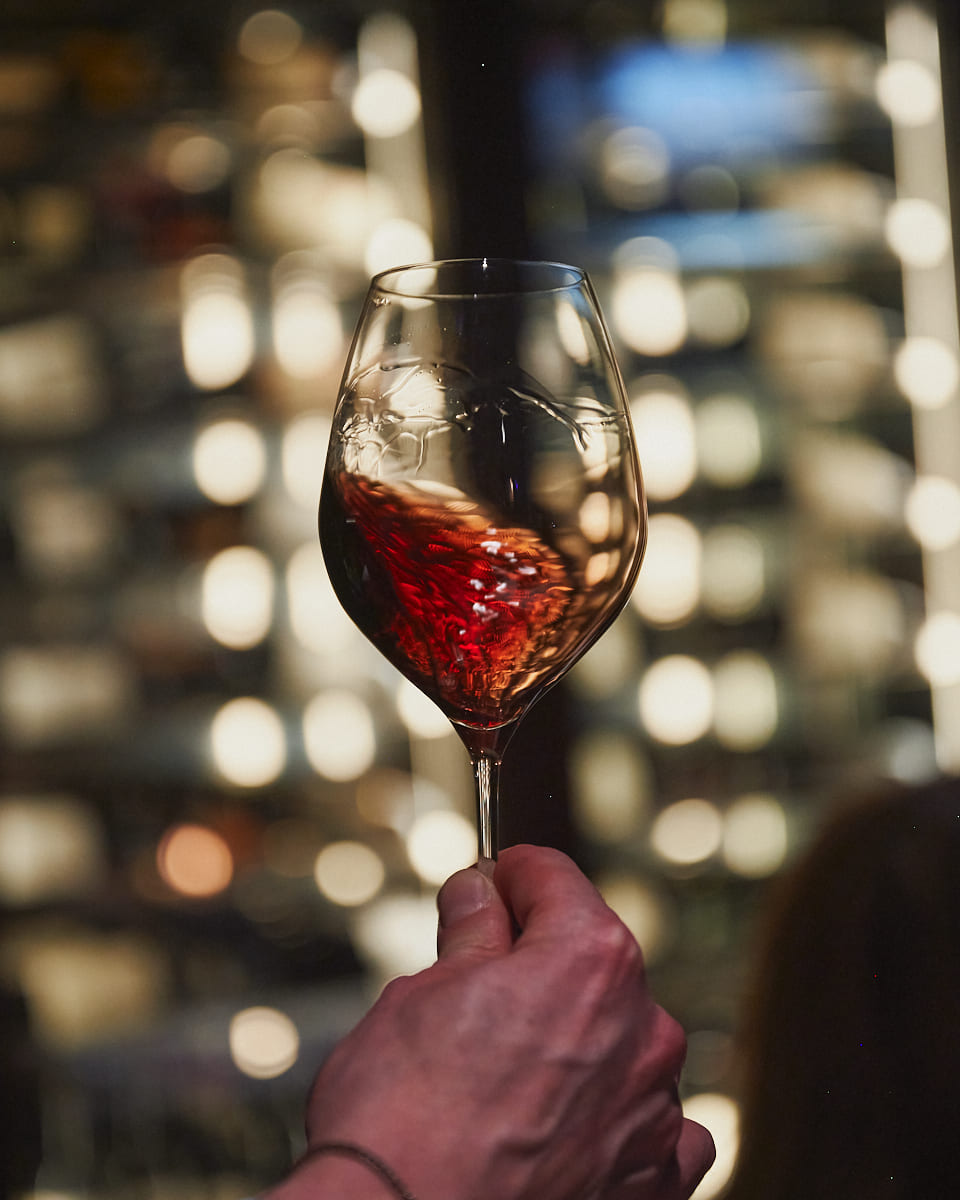
Tuscany’s uniqueness also comes from the sheer diversity of its landscapes. Rolling hills, altitude, sea breezes and varied soils, from galestro and albarese to coastal sands, all leave their mark on the wine:
-
- Chianti Classico, the historic heartland between Florence and Siena, known for structured, savoury Sangiovese
- Bolgheri, on the Tuscan coast, celebrated for internationally inspired blends with a distinctive maritime influence
- Montalcino, home to the powerful, long-ageing Brunello
- Cortona, where warmer conditions allow grapes like Syrah to fully ripen
This range of terroirs means Tuscany rarely produces just one style of wine, but rather a whole spectrum shaped by the specific corner of the region it comes from.
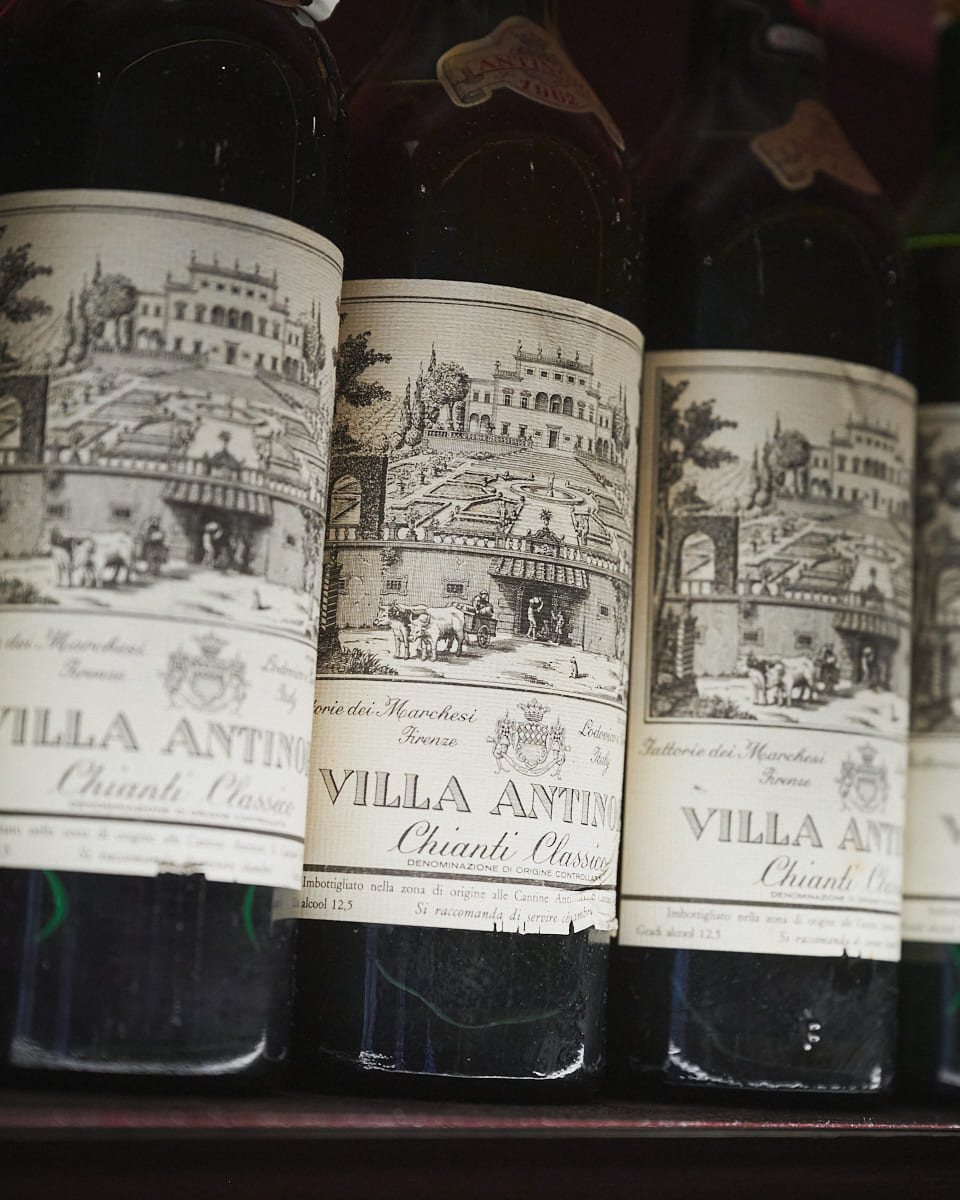
The rise of the Super Tuscans
No conversation about Tuscan wine is complete without the Super Tuscans, a category born from rule-breaking innovation. In 1971, Piero Antinori released Tignanello, a bold blend of Sangiovese with Cabernet Sauvignon and Cabernet Franc, aged in barrique and deliberately outside the strict Chianti regulations of the time. A few years later came Solaia, built around Cabernet Sauvignon with a smaller share of Sangiovese, using grapes from the same historic estate in Chianti Classico.
These wines proved that Tuscany could produce reds of world-class ambition without abandoning Sangiovese entirely, and helped launch an entire movement of high-quality wines made outside traditional appellation rules.
Tradition meets innovation
What continues to make Tuscan wine unique is this balance between heritage and experimentation. Estates such as Antinori cultivate native varieties like Sangiovese alongside international grapes such as Cabernet Sauvignon, Cabernet Franc, Merlot and Syrah, allowing classic, origin-driven wines to sit alongside bold, contemporary blends.
The result is a region capable of producing everything from a traditional Chianti Classico Riserva to a globally celebrated Super Tuscan, all under the same Tuscan sun.
Discover Tuscan wine at Cantinetta Antinori London
At Cantinetta Antinori London, the wine list offers a direct route into this rich diversity, featuring wines from across the Antinori family’s Tuscan estates alongside expertly paired Tuscan dishes. It’s an opportunity to taste, side by side, the elegance of Sangiovese and the ambition of the Super Tuscans that changed Italian wine forever.
Visit Cantinetta Antinori London and discover why Tuscan wine remains one of Italy’s most compelling stories, one glass at a time.